
Should You Change Dentists After Moving to Oakleigh South?
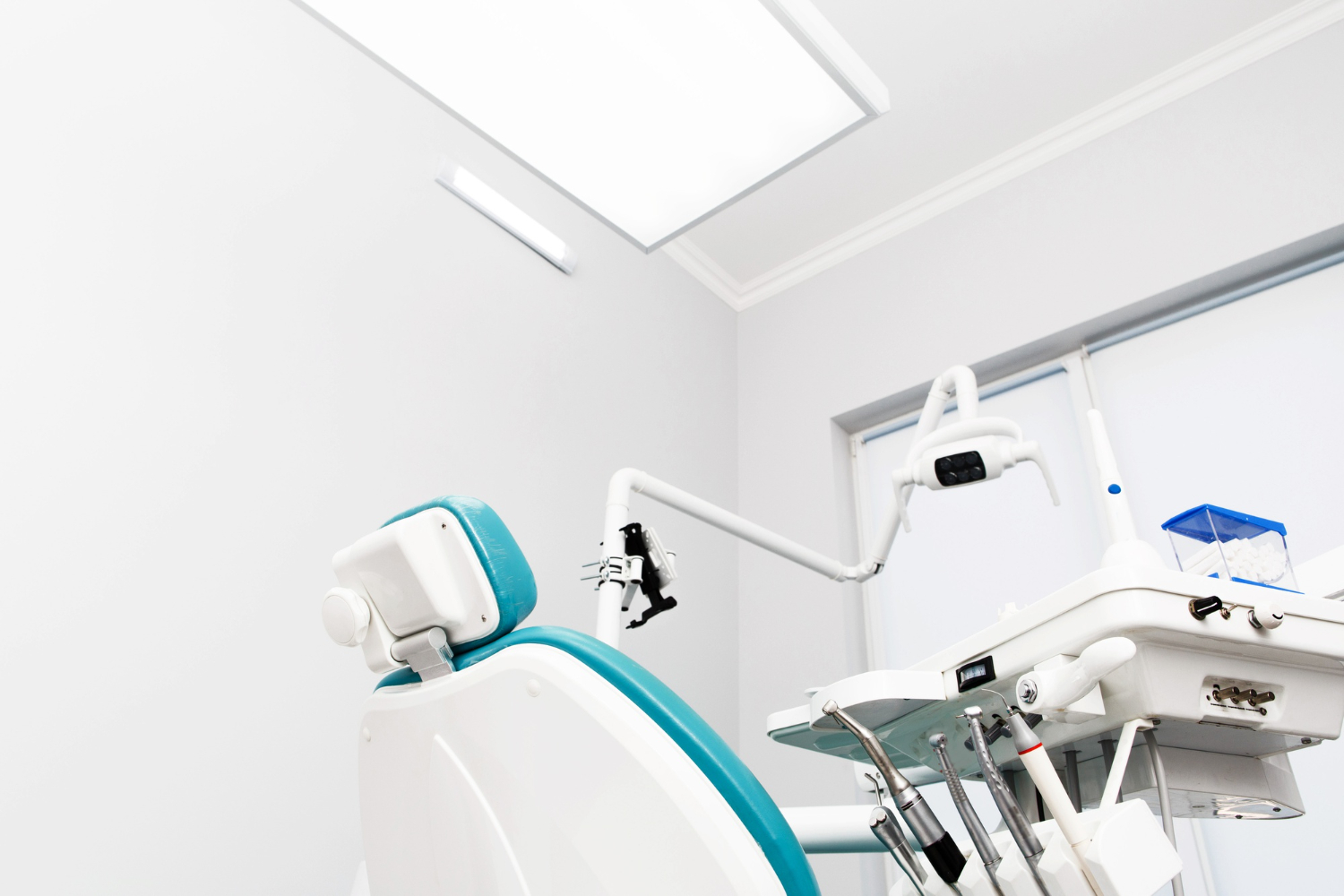
Should You Change Dentists After Moving to Oakleigh South?
Moving to Oakleigh South often means choosing a new dental practice, but deciding whether to change dentists isn’t always straightforward. Learn when it makes sense to establish care with a local dentist, how transferring your dental records can support continuity of care, what to look for during your first appointment, and why maintaining regular dental visits contributes to long-term oral health.
Relocating to a new suburb comes with a long list of decisions. Updating your address, learning the quickest routes around the neighbourhood and discovering local services all become part of settling into everyday life. Dental care is one task that often gets pushed aside until a routine check-up is overdue or a small concern begins to cause discomfort.
If you’ve recently moved into Oakleigh South, you may be wondering whether it’s worth continuing to travel to your previous dentist or whether establishing care with a local practice would be more practical in the long term. There isn’t a single answer that suits everyone, but understanding what contributes to good ongoing dental care can make the decision much easier.
Choosing an Oakleigh South dentist isn’t simply about finding the closest clinic. It’s about finding a practice that understands your dental history, communicates clearly and provides care that suits your needs over time.
Why Continuity of Care Matters
Unlike some healthcare appointments that happen only occasionally, dentistry often involves monitoring changes over many years.
Small cracks, worn fillings, gum health and bite changes rarely develop overnight. During routine examinations, dentists compare today’s findings with previous records, photographs and radiographs to identify gradual changes that may otherwise go unnoticed.
When your dental records remain with the same practice, it becomes easier to:
- Monitor existing restorations.
- Compare previous examinations.
- Review changes in gum health.
- Assess teeth that have been monitored over several years.
- Plan future treatment based on a complete clinical history.
This doesn’t mean changing dentists is a disadvantage. In fact, moving can be an excellent opportunity to establish care with a practice that is closer to home and easier to visit consistently.
Convenience Often Leads to Better Dental Habits
One theme that appears repeatedly in online patient discussions is surprisingly simple: people are more likely to attend regular dental appointments when the clinic fits naturally into their routine.
A practice located close to home, work or your usual shopping area makes scheduling preventive care much easier than travelling across Melbourne every six months. Instead of postponing appointments because of travel time, many patients find themselves maintaining a more consistent routine once they have a local dental practice.
Being nearby also becomes valuable if an unexpected concern arises between routine visits. Rather than trying to fit a lengthy drive into an already busy day, arranging an appointment can often feel far more manageable.
For residents looking for an Oakleigh dentist, having a local practice nearby can simplify ongoing care without compromising quality or continuity.
Your Previous Dental Records Still Matter
Changing clinics does not mean starting from the beginning.
Your previous dentist can usually provide copies of important clinical information, including:
- Dental radiographs (X-rays)
- Clinical notes
- Existing treatment history
- Records of crowns, fillings and implants
- Medical information relevant to your oral health
Having access to this information allows your new dentist to build on previous care rather than repeating unnecessary investigations.
It also provides valuable context when monitoring existing restorations or discussing future treatment options.
What Should You Look For in a New Dental Practice?
Every patient values different things, but online discussions consistently highlight several factors that influence long-term satisfaction.
Clear communication
Patients frequently say they appreciate dentists who explain findings in straightforward language rather than using complex terminology.
Understanding why treatment is recommended helps patients make informed decisions about their oral health.
Consistency
Seeing the same dental team over multiple visits allows appointments to become more familiar and comfortable.
It also helps your dentist recognise gradual changes that may influence future treatment planning.
A preventive approach
Many patients prefer practices that focus on helping them maintain healthy teeth rather than only treating problems after they become more complex.
Routine examinations, professional cleans and personalised oral hygiene advice all contribute to this long-term approach.
Comfortable appointment experience
Feeling listened to often matters just as much as the clinical treatment itself.
Patients frequently describe positive dental experiences as those where they felt comfortable asking questions, understood what was happening during the appointment and never felt rushed through discussions.
Your First Appointment Doesn’t Need to Be Complicated
One concern that appears regularly in patient discussions is uncertainty about what happens when visiting a new dentist for the first time. Some people worry they will need to repeat previous treatments, while others are concerned about being encouraged to undergo procedures they may not need.
In most cases, an initial appointment is designed to establish a clear understanding of your current oral health rather than begin extensive treatment immediately.
Depending on your individual circumstances, your dentist may:
- Review your medical and dental history.
- Discuss any concerns you’ve noticed since your last dental visit.
- Examine your teeth, gums and surrounding oral tissues.
- Compare any previous records if they are available.
- Recommend any further investigations only if they are clinically appropriate.
This appointment also gives you an opportunity to understand how the practice communicates, ask questions about recommended treatment and decide whether the clinic feels like the right long-term fit.
If additional treatment is required, your dentist should explain why it has been recommended, what alternatives may be available and what you can generally expect during the process.
Is There Any Reason to Stay With Your Previous Dentist?
Sometimes, yes.
If you’ve been undergoing complex treatment such as orthodontics, multiple implant procedures or staged restorative work, it may be appropriate to complete that course of treatment with your existing dentist before transferring routine care to a clinic closer to home.
Likewise, some patients have longstanding relationships with a dentist they trust and are comfortable travelling longer distances to continue seeing them.
However, if travel time regularly causes you to postpone check-ups or delay treatment, establishing care closer to home may support better long-term oral health simply because appointments become easier to keep.
Rather than viewing the decision as either right or wrong, it can be helpful to consider which option is most practical for maintaining consistent preventive care over the coming years.
Building a Long-Term Relationship With One Dental Team
Finding a dentist is only the beginning. The greatest benefits often come from developing an ongoing relationship with a practice that becomes familiar with your oral health over time.
As your dentist gains a clearer understanding of your dental history, they are better placed to recognise gradual changes, monitor previous treatment and tailor preventive advice to your individual needs.
For families, this continuity can also simplify scheduling. Parents often appreciate having one practice where children’s examinations, adult check-ups and future treatment planning can be coordinated more conveniently.
Where treatment beyond routine examinations is required, continuing care with the same practice also means your dentist already understands your clinical history and previous discussions.
For example, if monitoring identifies a deep infection within a tooth, treatment may involve root canal therapy to preserve the natural tooth where clinically appropriate. Likewise, damaged teeth may sometimes be restored using custom dental crowns after careful assessment to protect the remaining tooth structure.
Small Practical Details Can Make a Big Difference
When choosing a new dental practice, practical considerations are often overlooked initially but become increasingly important over time.
Questions worth considering include:
- Is the clinic easy to reach from home or work?
- Is parking readily available?
- Are appointment times compatible with your schedule?
- Can family members attend together where appropriate?
- Does the practice explain treatment recommendations clearly?
- Do you feel comfortable asking questions during appointments?
These details may seem minor individually, yet together they often influence whether patients continue attending regular dental visits over many years.
Caring for Communities Across Melbourne’s South-East
Choosing a local dental practice often comes down to finding somewhere that fits comfortably into your everyday routine. Patients regularly visit Mary Dental from surrounding suburbs for preventive, restorative and family dental care, making it easier to maintain regular appointments close to home.
Residents from Clayton, Hampton East and Moorabbin often combine dental visits with work, shopping or other daily commitments in Oakleigh South. Others travel from Clarinda, Bentleigh East, Cheltenham, Clayton South and Hampton because of the convenience of continuing their dental care with a practice located nearby. Free on-site parking at The Links Shopping Centre also helps make routine visits more convenient for individuals and families.
Frequently Asked Questions
Should I transfer my dental records to my new dentist?
If possible, yes. Previous X-rays, treatment notes and clinical records provide valuable information that helps your new dentist understand your dental history and monitor changes over time. Your previous practice can usually assist with transferring these records.
How do I know if a new dentist is the right fit?
Your first appointment is often the best opportunity to find out. Patients frequently value dentists who communicate clearly, explain treatment recommendations without pressure and encourage questions throughout the consultation. Feeling comfortable with your dental team is an important part of building a long-term relationship.
Will I need new X-rays if I’ve recently had some taken?
Not always. If recent diagnostic images are available and are suitable for assessment, your new dentist may be able to use them alongside your transferred records. Additional X-rays are only recommended when they are clinically necessary to assess your current oral health.
A Fresh Start Can Also Be a Positive Step for Your Oral Health
Moving to Oakleigh South is more than simply changing your address. It can also be an opportunity to establish a long-term relationship with a dental practice that fits naturally into your lifestyle.
Whether your priority is convenience, continuity of care or finding a team that communicates openly, taking the time to choose a dentist who understands your goals can make maintaining your oral health much easier in the years ahead.
Disclaimer: The information in this article is provided for general educational purposes only and is not a substitute for personalised dental advice. Every patient’s circumstances are different, and decisions about changing dentists or planning treatment should be made following an assessment by a qualified dental professional.
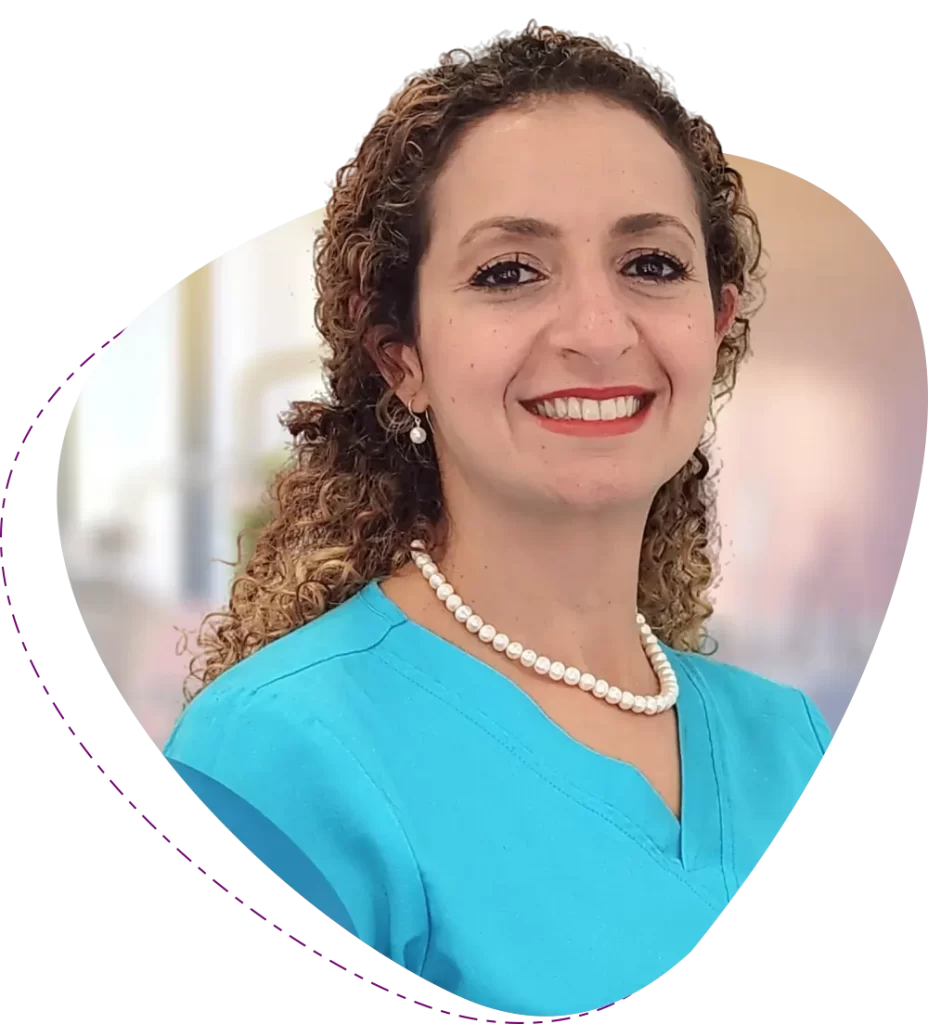
Dr Mariana Habil