
My Tooth Was Removed Years Ago. Is It Too Late to Get a Dental Implant?
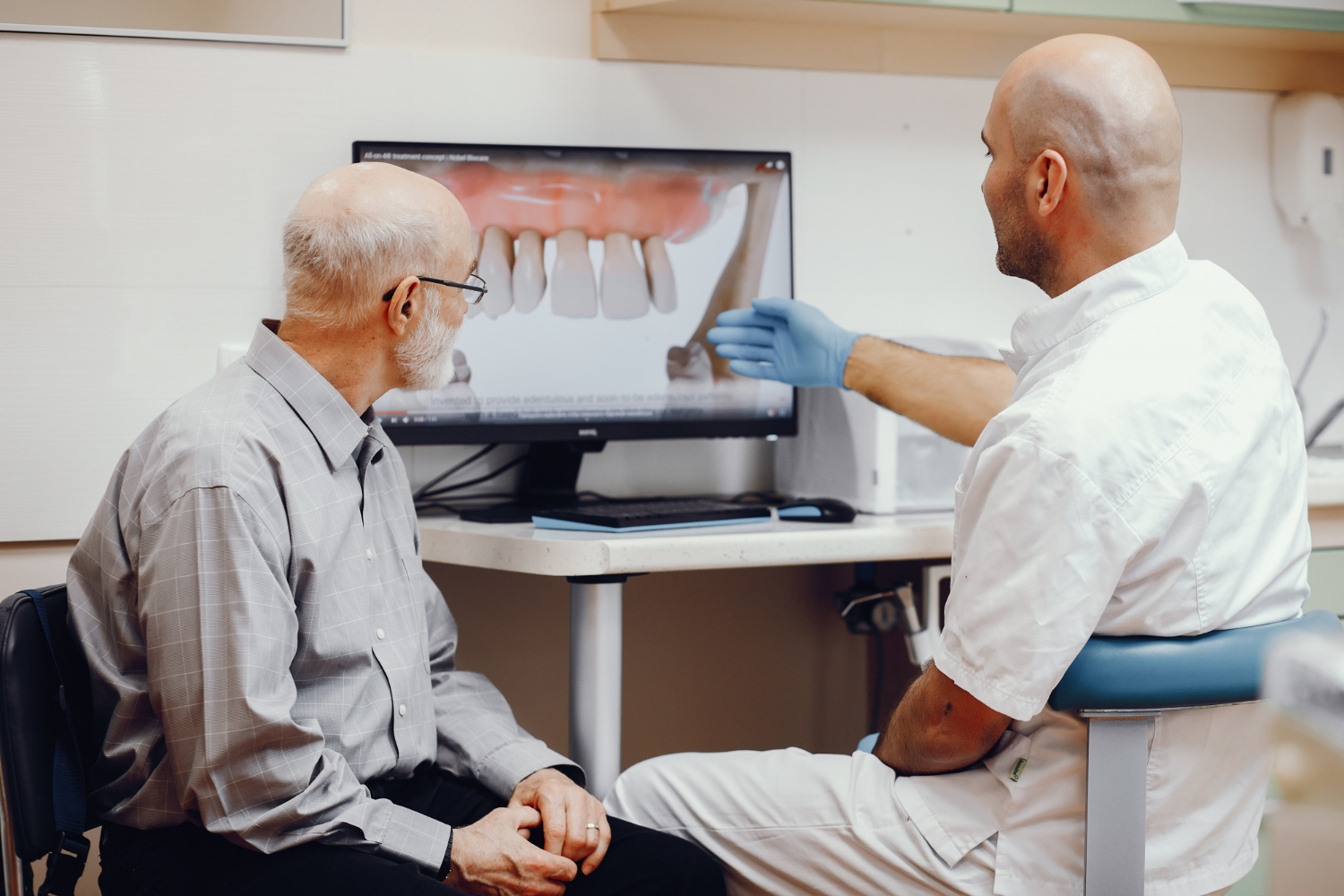
My Tooth Was Removed Years Ago. Is It Too Late to Get a Dental Implant?
A dental implant may still be possible years after a tooth has been removed. The main issue is not simply how much time has passed, but whether there is enough healthy jawbone and gum tissue to support an implant. A dentist may use an examination and dental imaging to assess the site before discussing suitable replacement options.
A tooth may be removed during an emergency, after a fracture, because of infection or when it can no longer be restored. At the time, replacing it may not feel urgent, particularly if the gap is towards the back of the mouth and eating still feels relatively normal.
Months can become years. Then something changes. You notice the neighbouring teeth have shifted slightly, chewing feels different on one side, or you simply decide that you are ready to replace the missing tooth.
This often raises the same concern: have I waited too long for a dental implant?
In many cases, the passage of time alone does not rule out implant treatment. What matters more is what has happened to the bone, gums, neighbouring teeth and bite since the tooth was removed.
What Changes After a Tooth Has Been Missing for a Long Time?
Natural tooth roots transfer chewing forces into the surrounding jawbone. Once a tooth is removed, that area no longer receives the same stimulation.
Over time, the bone around the empty site can gradually change in height, width and shape. The amount of change varies considerably between people and between different areas of the mouth.
This is one reason someone considering dental implants Oakleigh South several years after an extraction will usually need the site assessed rather than assuming an implant can or cannot be placed based on time alone.
Other changes can occur around the gap as well.
Neighbouring teeth may gradually tilt or rotate towards the empty space. The tooth directly opposite the gap can sometimes move further into the space because it no longer meets its usual biting partner.
None of these changes automatically means an implant is impossible. They simply become part of the planning process.
The Dentist Is Assessing More Than the Empty Space
When a tooth has been missing for years, an implant consultation is not simply about measuring the visible gap.
Your dentist may look at:
- How much bone remains at the proposed implant site
- The condition of the gums
- The position of neighbouring teeth
- The space available for the replacement tooth
- How the upper and lower teeth meet
- Whether there are signs of infection or gum disease
- Existing fillings, crowns or other restorations nearby
- Your dental and relevant medical history
Dental imaging may also be recommended to better understand the amount and position of the available bone.
Patients attending an Oakleigh South dental clinic after living with a missing tooth for several years may therefore find that the consultation involves looking at the whole area rather than focusing only on where the old tooth used to be.
Does Bone Loss Mean You Cannot Have an Implant?
Not necessarily.
Some people still have enough bone for an implant even after a tooth has been absent for a long period. Others may have lost more bone than expected.
If there is insufficient bone at the site, your dentist may discuss whether additional procedures could improve the available support. In other cases, a different implant position or another type of tooth replacement may make more sense.
The important point is that “the tooth has been gone for years” is not a diagnosis.
Two people who lost the same tooth at roughly the same time can have very different bone conditions when they are examined several years later.
What if the Other Teeth Have Already Started Moving?
This is a common concern when a gap has been left untreated for an extended period.
Small changes in tooth position do not necessarily prevent implant treatment. However, significant movement can affect the amount of space available for the final crown and the way your teeth meet when you bite.
For example, a neighbouring tooth may have leaned into the gap. In another patient, the opposing tooth may have moved down or up into the available space.
Your dentist will consider these changes when deciding whether an implant can be restored properly in the current position.
Sometimes the site can still be treated without additional dental work. In more complicated situations, other treatments may need to be discussed first.
What if the Missing Tooth Is at the Back and Does Not Show?
A missing molar can be easy to ignore because it may not affect the appearance of your smile.
That does not mean every missing back tooth automatically needs replacing.
The decision depends on factors such as which tooth is missing, how many other teeth remain, whether chewing has been affected and how the rest of the bite is functioning.
Some people adapt well to a missing tooth for a long time. Others begin placing more pressure on the opposite side of the mouth or notice changes around the gap.
Rather than assuming that every space requires an implant, your dentist can assess whether replacing the tooth would provide a meaningful functional benefit in your particular situation.
Implant, Bridge or Denture After Several Years?
Even if an implant remains possible, it is not automatically the only option.
A bridge may be appropriate in some circumstances, particularly when neighbouring teeth already require substantial restoration. A removable Oakleigh South denture may also be considered when several teeth are missing or when a patient prefers a non-surgical approach.
An implant differs because it is supported within the jaw rather than relying on adjacent teeth or being removed for cleaning.
Each option has different considerations around maintenance, treatment time, surrounding teeth and long-term care.
If you have lived with the gap for years, the best question is usually not simply, “Can I still have an implant?” It is, “What replacement options make sense for my mouth now?”
What If the Tooth Was Originally Removed Because of Infection?
The reason for the extraction matters.
If a tooth was removed because of significant infection or gum disease, your dentist will want to assess the health of the surrounding tissues before considering an implant.
Past infection does not automatically prevent future implant treatment. However, active dental or gum problems need to be addressed as part of treatment planning.
For people who lost a tooth because of advanced gum problems, ongoing periodontal health is particularly important. Managing gum disease around the remaining teeth also helps create a healthier environment for any future restorative treatment.
You Do Not Need to Decide Before the Consultation
Patients sometimes postpone an implant assessment because they assume they will be committing to surgery as soon as they attend.
An implant consultation is primarily an information-gathering appointment.
Your dentist can examine the missing-tooth area, assess the surrounding teeth and gums, review relevant imaging and explain what options are available.
If teeth implants Oakleigh South are suitable, you can then understand the likely stages involved before deciding whether you want to proceed.
If an implant is not the best option, the same assessment can help identify alternatives.
What to Mention if Your Tooth Was Removed Years Ago
It can help to tell your dentist as much as you remember about the original tooth and extraction.
Useful details may include:
- Approximately when the tooth was removed
- Why it was extracted
- Whether there was an infection at the time
- Whether you previously wore a denture in the space
- Any changes you have noticed in nearby teeth
- Whether chewing has become more difficult
- Previous orthodontic or restorative treatment
- Any discomfort around the old extraction site
Do not worry if you cannot remember every detail. Examination and imaging often provide much of the information needed to assess the area.
Considering Replacing an Older Missing Tooth?
There is no fixed number of years after an extraction that automatically makes implant treatment too late.
Some people seek an implant relatively soon after losing a tooth. Others begin exploring replacement several years later after noticing changes in chewing, tooth position or simply becoming ready to address the gap.
An Oakleigh South dentist can assess what has happened at the site since the extraction and explain whether an implant, bridge, denture or another approach may be appropriate now.
The useful next step is not trying to judge suitability from the age of the gap alone. It is finding out what the bone, gums, neighbouring teeth and bite look like today.
Disclaimer: This article provides general educational information about replacing teeth after previous extraction and is not a substitute for individual dental advice. The suitability of dental implants and other tooth replacement options depends on your oral health, medical history, available bone and clinical assessment. Speak with a qualified dental professional for advice specific to your circumstances.

Dr Mariana Habil